Nutrition & taste
Food, appetite and fuel: what happens when you eat or stop eating, and what your genes add about caffeine, lactose, vitamins and cravings.
Methylation genes: what MTHFR, COMT and the rest really tell you
Methylation panels test 13 genes and sell a supplement plan for each. Large studies found a clear effect for only three of them. Here is every gene on the panel, what is true, what is not, and what actually helps.
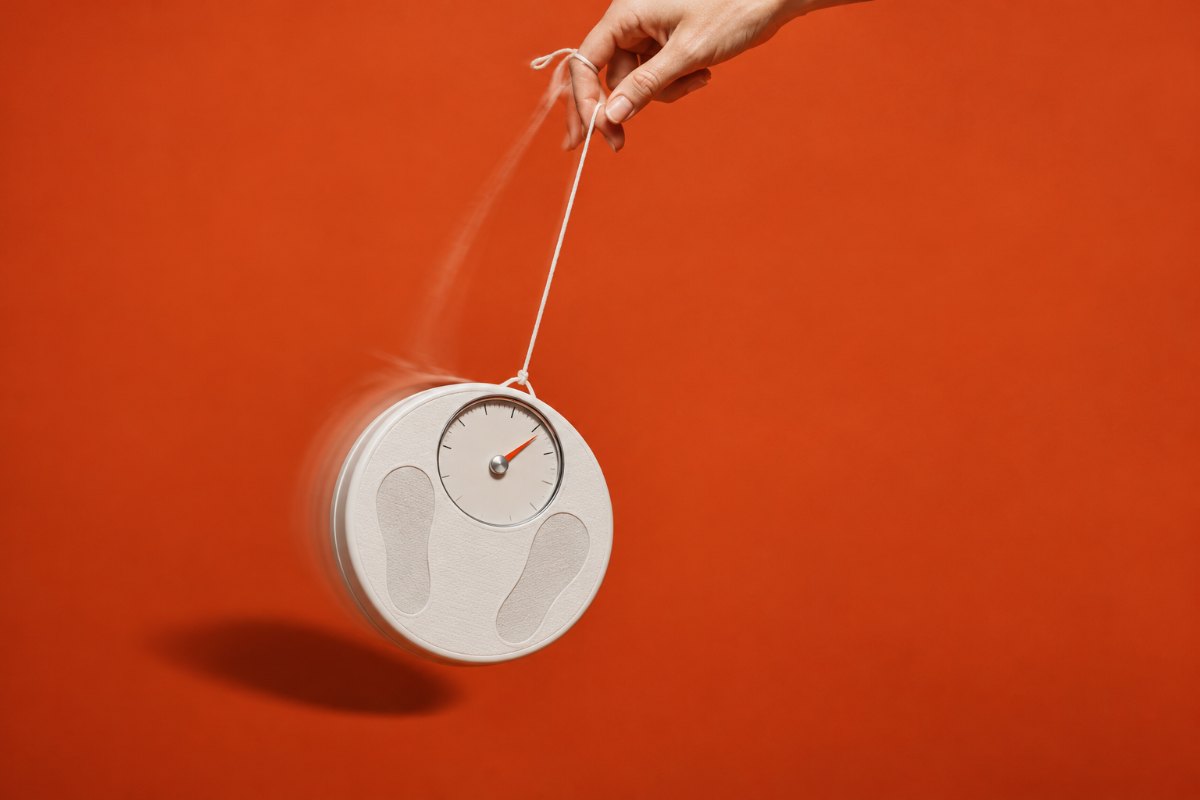
Why lost weight comes back, and how to keep it off
Most weight lost on a diet comes back. The reason is not willpower: the body raises hunger after every kilo lost, for a year or more. Here is why it happens and what helps people keep it off.
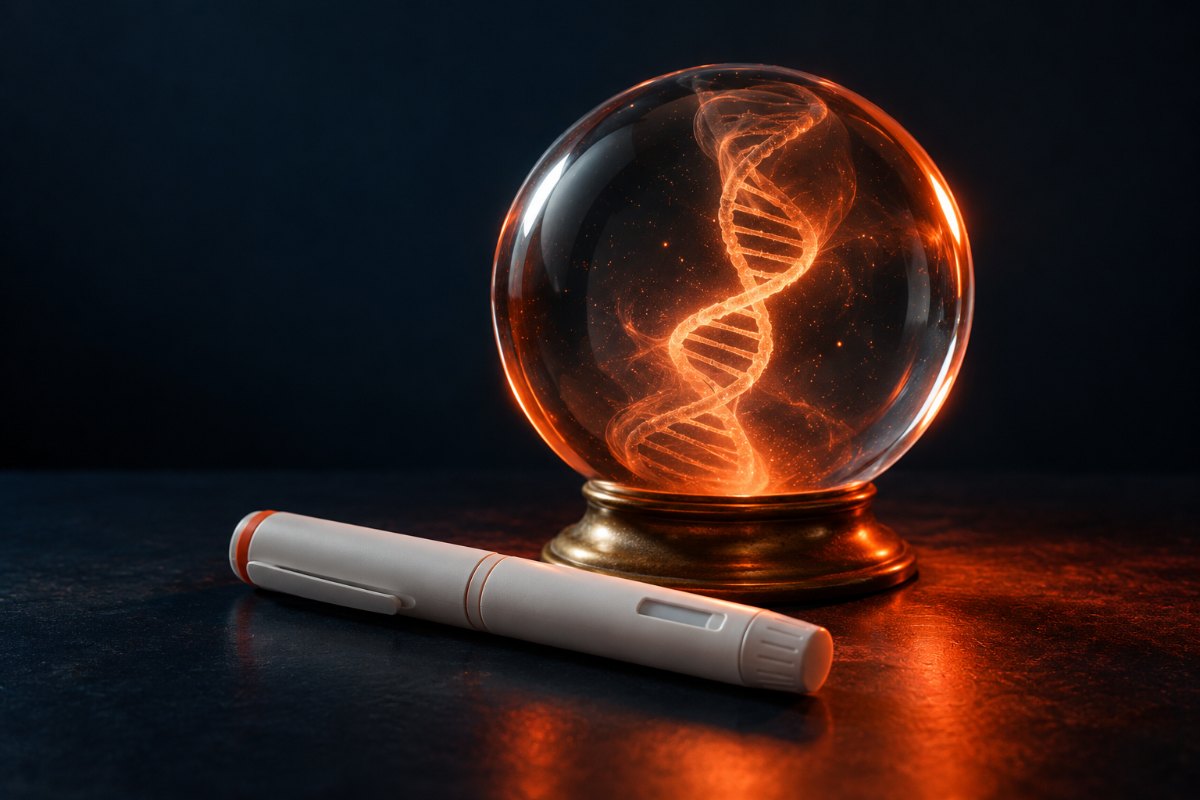
Ozempic and your genes: can DNA predict how much you will lose?
On the same weekly shot, one person loses 20 percent of their weight and another loses 4. A study of almost 28,000 people checked if DNA explains it. What really decides the result, and what to do with that.
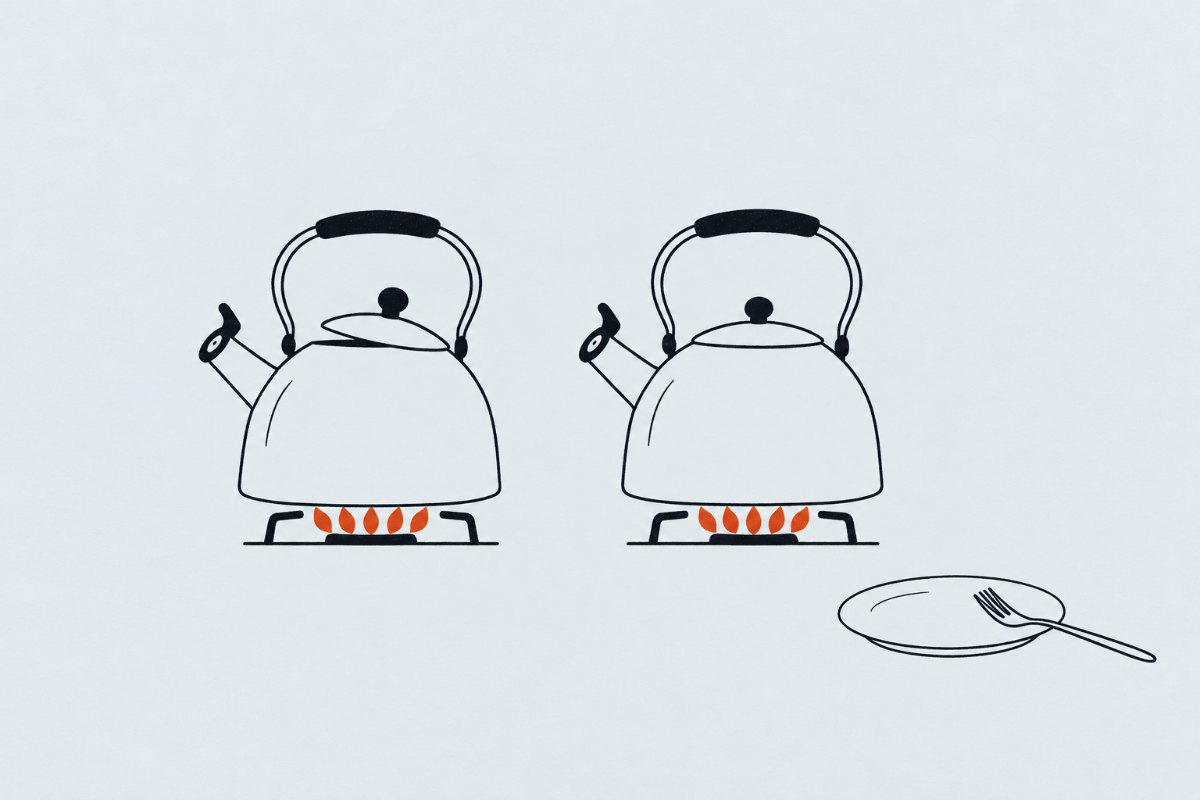
Do you have a slow metabolism? What the measurements say
Two people of the same size burn almost the same calories at rest, and metabolism does not slow at 30. What really differs between people: appetite, fidgeting, and what a crash diet does. Plus what your DNA adds.
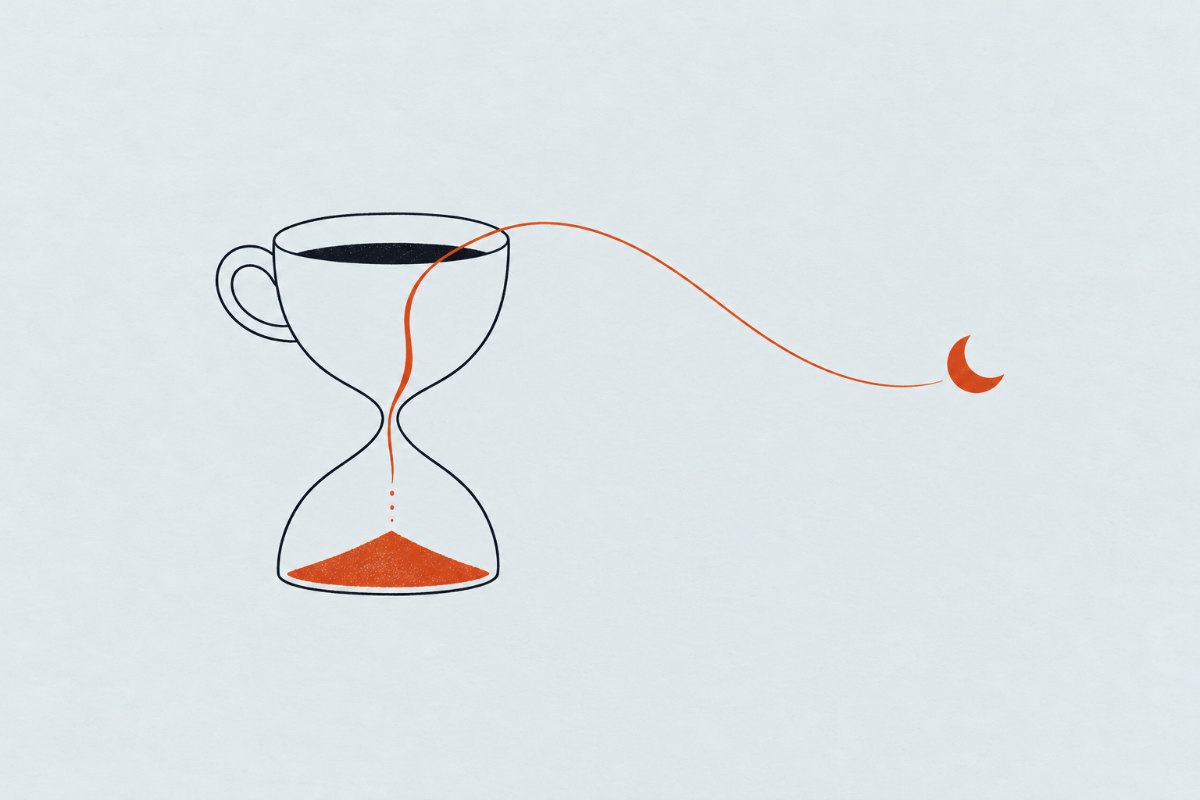
How long does caffeine stay in your system? A calculator and the honest answer
Half of a 3 p.m. coffee is still in you at 8. Use the calculator to see how much caffeine is left at bedtime, and what moves the number: smoking, the pill, pregnancy and one gene.

Which vitamins do you actually need? How to tell, and which to skip
Most healthy adults don't need a daily multivitamin. Who does need B12, folic acid, vitamin D or iron, which supplements to skip, and how to find out.
What happens when you stop eating: a 72-hour timeline
Insulin, liver glycogen, ketones, hunger, growth hormone and the autophagy question, laid out hour by hour from the last bite to day three. What has been measured in people, what only in mice, and what the trials say about weight.
The month-long experiment that took willpower off the table
Twenty people lived in a research ward while every meal was matched nutrient for nutrient. On the ultra-processed menu they ate 508 more calories a day without noticing. What that says about appetite.

Why you and your partner will never agree about dessert
Sweet tooth and fat cravings have a genetic layer: a liver hormone (FGF21), a sweet receptor (TAS1R2), and a fat sensor (CD36). Small effects, real science, and a truce for the dinner table.

Is there a caffeine gene? What CYP1A2 really says about your coffee
CYP1A2 is the gene behind how fast you clear caffeine. What AA, AC or CC means for you, in plain words, and what really decides how coffee hits you.
Is a gene keeping you from losing weight? What FTO actually does
Body weight is heritable and the famous FTO variant is real. But in eight randomized trials, carriers lost just as much weight as everyone else.
Why you can (or can't) drink milk: the lactase switch
Digesting milk as an adult is the weird exception, not the rule, and it mostly comes down to one regulatory switch next to the lactase gene.
The alcohol flush is not an allergy. It is a traffic jam.
A red face after one drink means acetaldehyde is piling up faster than your enzymes can clear it. The genetics of the flush, and why it deserves respect.
The chia seed problem: why plant omega-3 works better for some people
Flax and chia give you ALA, but your body must convert it to EPA and DHA, and FADS gene variants shift how well that conversion runs. What the studies show and what to do if you eat little fish.
Some people just run lower on vitamin D. Genes are part of why.
Variants in the vitamin D transport and activation genes shift your baseline level. What that changes about testing and supplements, and what it doesn't.
Why broccoli is a different vegetable for you and your partner
One bitter receptor, three positions, and a century-old lab accident: the genetics of supertasters, and what your TAS2R38 haplotype changes at dinner.
Curious what your DNA says?
Your browser reads your raw DNA file right on your device, so the file itself never leaves it. Out comes a personalized report you can read yourself or hand to your AI.
free analysis first